Why Most Beginner Investors Quit Too Soon (And The Resilience Strategy That Actually Works)
You’ve done everything right on paper. You’ve read the books, watched the webinars, and even opened your first brokerage account. You’ve diligently started investing in index funds, aiming for that mythical long-term growth. But then, the market dips. Or maybe it just… stagnates. For weeks, months, sometimes even a year, your portfolio barely budges, or worse, it’s down a few percentage points. The initial excitement fades, replaced by a gnawing doubt. ‘Is this even working?’ you ask yourself. ‘Am I just throwing money into a black hole?’
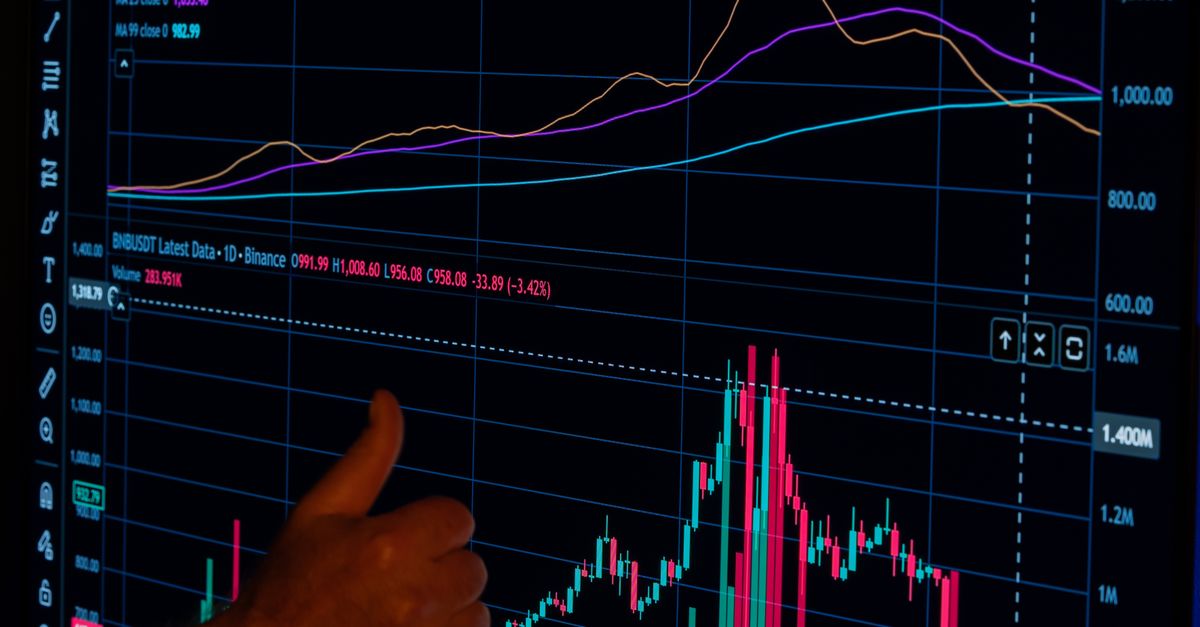
This isn’t just you. This is the precise moment when most beginner investors throw in the towel, abandoning their carefully laid plans. They see the short-term fluctuations, interpret them as failure, and conclude that investing ‘isn’t for them’ or ‘is too risky.’ They exit the market, often locking in losses, and miss out on the very long-term compounding they initially sought. In my experience, the biggest killer of beginner portfolios isn’t a bad stock pick or a market crash; it’s a lack of resilience – the mental fortitude to weather the inevitable storms and embrace the unsexy reality of long-term investing. The truth is, building wealth isn’t about perfectly timing the market or finding the next hot stock; it’s about consistently showing up, even when the scoreboard isn’t moving in your favor.
Key Takeaways
- Beginner investors often quit due to short-term market noise and a misunderstanding of long-term wealth building.
- True investing success hinges on mental resilience, not just market knowledge or timing.
- Implement a ‘Behavioral Anchoring’ strategy to detach from daily fluctuations and focus on your long-term plan.
- Automate your investments and create clear, non-negotiable rules to remove emotional decision-making.
- Focus on your ‘Why’ and regularly visualize your future financial freedom to reinforce commitment.
The Illusion of Instant Results: Why the Short-Term View Kills Long-Term Gains
When I first started investing, I was glued to my phone, refreshing my brokerage app multiple times a day. Every green number felt like a win; every red number, a personal affront. It was exhausting, and frankly, completely counterproductive. The mistake I see most often with new investors is this obsession with immediate gratification. We live in an era of instant delivery, instant entertainment, and instant information. We expect investing to deliver similar rapid results, but the stock market operates on a different, much slower, timeline.
Consider this: a truly diversified portfolio, heavily weighted towards broad market index funds, might only deliver average annual returns of 7-10% over decades. While that sounds great on paper, it rarely happens in a smooth, linear fashion. There will be years with 20% gains, and years with 10% losses, and many years of simply treading water. If you’re checking your portfolio daily or weekly, those flat periods or minor dips feel like a monumental failure. This constant short-term feedback loop drains your resolve and makes it incredibly easy to justify pulling your money out. What changed everything for me was understanding that market noise is just that – noise. The critical data points are spread across years, not days. Most beginners fail to grasp that the true ‘power’ of investing, compound interest, needs time and consistent capital deployment to work its magic. It’s like watching grass grow; if you stare at it, you see nothing, but over a season, you have a lawn.
Behavioral Anchoring: Detaching Your Emotions from Market Swings
One of the most powerful strategies I’ve developed for myself and shared with countless others is what I call Behavioral Anchoring. It’s about creating deliberate, non-negotiable systems that keep your investing plan on track, regardless of how the market or your emotions are behaving. This isn’t about ignoring the market entirely, but about giving your long-term strategy unshakeable roots.
For example, my primary anchor is automated, recurring investments. Every single paycheck, a set amount is automatically transferred from my checking account to my investment accounts. I don’t decide if I feel like investing that month; the decision has already been made. This removes the emotional hurdle entirely. When the market is down, I’m buying more shares at a lower price without even thinking about it – a concept known as dollar-cost averaging. When the market is up, I’m still buying, ensuring I participate in the growth. This consistent, automatic action, independent of my daily mood or market headlines, is my behavioral anchor. It ensures that money flows into my investments regardless of the external chaos. It sounds overly simple, but the sheer number of beginner investors who manually transfer money ‘when they feel like it’ or ‘when the market looks good’ is astounding, and it’s a direct pathway to quitting when things get tough.
Another critical anchor is a written investment policy statement, even if it’s just for yourself. Outline your long-term goals (e.g., ‘I am investing for retirement in 25 years,’ ‘I am saving for a down payment in 7 years’), your asset allocation (e.g., ‘80% broad market index funds, 20% bonds’), and your rebalancing strategy (e.g., ‘rebalance annually if allocation drifts by more than 5%’). This document becomes your constitution. When doubt creeps in, you refer to this anchor, not the flashing red numbers on your screen. It’s a pre-commitment strategy that acts as a guardrail against impulsive, emotionally charged decisions. I keep mine taped inside a cabinet where I won’t see it daily but can refer to it when needed. It grounds me in my original, rational plan.
The Power of the ‘Why’: Reconnecting to Your Future Self
If you don’t have a compelling ‘why’ behind your investments, the first significant market dip will feel like permission to quit. The biggest mistake many beginners make is viewing investing as a purely mathematical exercise. It’s not. It’s a deeply personal journey towards a future you envision. What changed everything for me was shifting my focus from the daily fluctuations to the tangible future I was building.
For me, the ‘why’ started with a vision of a comfortable retirement where I wasn’t reliant on a paycheck, where I had the freedom to pursue hobbies and spend time with loved ones without financial stress. It extended to having the flexibility to take an extended sabbatical if I ever wanted to. These aren’t abstract numbers; they are vivid, emotional goals. When my portfolio was down 15% during a correction, I didn’t see a loss; I saw a temporary discount on my future freedom. This shift in perspective is crucial for resilience.
I recommend dedicating time, perhaps once a quarter, to reconnecting with your ‘why.’ Write it down. Visualize it. Create a ‘future self’ board (similar to a vision board) that represents what financial independence will enable you to do, experience, and become. Look at pictures of places you want to visit, hobbies you want to pursue, or the serene, financially secure life you imagine. This isn’t just fluffy motivation; it’s a powerful psychological tool. It embeds your long-term goals deep into your subconscious, making short-term market noise feel insignificant in comparison. When your future self is a strong enough anchor, your present self gains the resilience needed to stay the course.
Strategic Ignorance: Less Information, More Wisdom
It sounds counter-intuitive, but for most beginner investors, less information is more beneficial. The constant barrage of financial news, market commentary, and expert predictions (which are often wrong, by the way) is designed to create urgency and emotional responses. This is precisely what undermines resilience. What works actually works is a healthy dose of strategic ignorance.
When I first started, I subscribed to every financial newsletter, followed every market pundit, and tuned into business news channels constantly. The result? Anxiety, over-analysis, and frequent urges to tinker with my portfolio. Now, I check my portfolio balance maybe once a quarter, sometimes even less. I’ve unfollowed most financial news sources on social media and intentionally filter out market ‘noise.’ I get my investment statements automatically in my email, and I review them with a detached, long-term perspective. I focus on whether my contribution rate is consistent and if my asset allocation is still broadly correct. The actual daily, weekly, or monthly performance is largely irrelevant to my 25-year plan.
Instead of consuming endless market updates, I suggest focusing your learning on core investment principles: the power of compound interest, the benefits of diversification, the dangers of market timing, and understanding your own risk tolerance. These are timeless truths, far more valuable than the fleeting headlines. Embrace the idea that being a ‘boring’ investor is actually the path to extraordinary long-term results. The less you react to daily market drama, the more resilient your investment strategy becomes.
The Community & Accountability Shield: When Doubt Creeps In
Even with the best strategies, moments of doubt will creep in. This is where an accountability shield can make all the difference. It’s about having a trusted resource or community to turn to when your resolve wavers, before you make an impulsive, detrimental decision. The mistake I see most often is people isolating themselves in their investment struggles, making it easier to capitulate.
For many years, my accountability partner was my brother. We’d occasionally check in on our investment contributions, discuss market trends from a long-term perspective, and, most importantly, remind each other of our shared ‘why.’ He’d tell me to zoom out if I was getting too caught up in a short-term dip, and I’d do the same for him. This mutual support reinforced our individual resilience.
If you don’t have a trusted friend or family member, consider a financial advisor who truly understands long-term planning and behavioral finance. A good advisor acts as an emotional circuit breaker, preventing you from making rash decisions during volatile times. They can objectively remind you of your long-term plan and the historical context of market corrections. Alternatively, engage with online communities or forums focused on long-term, passive investing. These spaces can provide a sense of camaraderie and remind you that others are also weathering the same storms, reinforcing your commitment to the long game. The key is to have someone or something that can act as a rational counterpoint when your emotions threaten to derail your carefully constructed plan.
Frequently Asked Questions
Q: How long should I expect to see significant returns in my investment portfolio?
A: For diversified, long-term investments like index funds, it’s generally recommended to think in terms of decades, not months or even a few years. While short-term gains can happen, significant, life-changing wealth building typically requires 10-20+ years of consistent investing and compounding. Expecting quick riches is a common reason beginners quit.
Q: Is it ever a good idea to sell my investments when the market is going down to cut my losses?
A: For long-term investors, selling during a market downturn is almost always a mistake. This locks in your losses and prevents you from participating in the eventual recovery. Historically, the biggest gains often come in the periods immediately following a significant market correction. Resist the urge to ‘time the market’ – it’s a losing game for most.
Q: What if I don’t have a lot of money to invest? Should I still start now?
A: Absolutely. The most powerful factor in long-term investing success is time, thanks to compound interest. Starting with small, consistent amounts ($50 or $100 per paycheck) is far more effective over decades than waiting until you have a large sum to invest. The sooner your money is in the market, the longer it has to grow.
Q: How do I know if my investment strategy is actually working if I’m not checking it often?
A: Instead of checking your balance, focus on your contribution rate. Are you consistently investing the amount you planned? Also, periodically review your overall asset allocation (e.g., once a year). As long as you’re consistently contributing to a diversified portfolio aligned with your long-term goals, and not making emotional adjustments, your strategy is likely working. The market will do its thing over time; your job is to stay the course.
Q: What are some common pitfalls beginner investors face besides quitting too soon?
A: Other common pitfalls include chasing ‘hot’ stocks or trends, over-diversifying (holding too many individual stocks or niche funds), trying to time the market, investing in things they don’t understand, and paying excessive fees. The resilience strategy helps mitigate many of these by focusing on simplicity, automation, and long-term perspective.
Building wealth through investing isn’t a sprint; it’s a marathon that often feels more like a long, steady walk. The temptation to quit when the path gets a little rocky or when you don’t see immediate progress is immense. But as I’ve learned through my own journey, and seen in countless others, true financial freedom isn’t just about understanding the numbers; it’s about mastering your own behavior and cultivating the resilience to stay the course. Implement these anchoring strategies, reconnect with your powerful ‘why,’ and embrace strategic ignorance. Your future self will thank you for not giving up on the most important financial journey of your life.
Written by David Stern
Practical Finance, Travel, Planning for Purpose
A retired financial educator, David now shares insights on thoughtful spending and purposeful planning beyond just investments.
You Might Also Like

Why Most Personal Financial Plans Fail (And The Resilience Strategy That Actually Works)
Discover why rigid financial plans often crumble and how a flexible, resilience-focused strategy can actually build lasting wealth. A must-read.