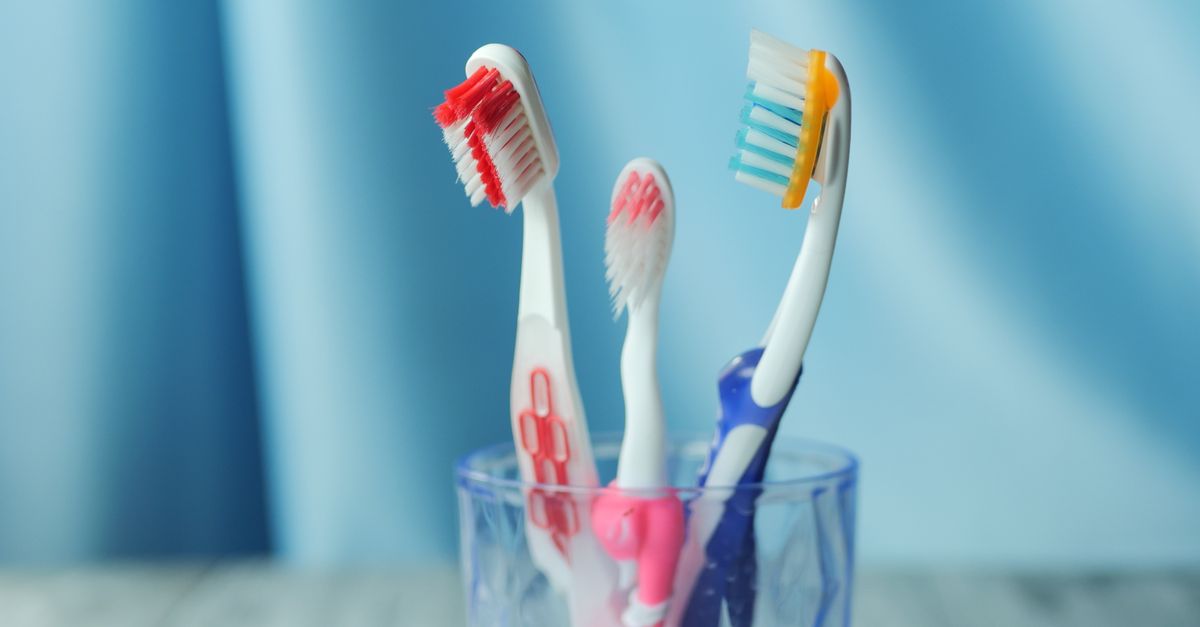
Why Most Beginners Fail at Mastering Their New Electric Toothbrush (And What Actually Works for a Truly Clean Feel)
You just invested in a sleek new electric toothbrush, eager for that dentist-clean feeling every day. You charged it up, slapped on some toothpaste, and started scrubbing away just like you always have. A few weeks go by, and while it feels different, you’re not entirely convinced it’s living up to the hype. Your teeth still don’t feel quite as smooth as you expected, and maybe your gums even feel a little irritated. What gives? Didn’t this expensive gadget promise a revolutionary clean?
In my experience, the problem isn’t the electric toothbrush itself. It’s how most beginners use it. We’re so accustomed to the aggressive scrubbing motion of a manual brush that we instinctively transfer those habits to a tool designed for a completely different approach. This isn’t just about efficiency; it’s about optimizing the technology to protect your gums, clean thoroughly, and truly deliver on that promise of a healthier mouth. I’ve spent years helping people transition to electric brushes, and the subtle shifts in technique are what make all the difference. Stop scrubbing and start guiding; that’s the core principle most people miss.
Key Takeaways
- Stop scrubbing aggressively; an electric toothbrush is designed for gentle, precise plaque removal.
- The ‘hover and guide’ method ensures bristles clean each tooth surface effectively without damaging gums.
- Pay specific attention to the gumline, working slowly quadrant by quadrant.
- Choose the right brush head and replacement schedule to maximize cleaning power and minimize wear.
The Instinctive Scrubbing Trap That Harms More Than It Helps
The most significant mistake I see people make with their new electric toothbrush is continuing to scrub it back and forth across their teeth with force, just like they would a manual brush. This isn’t just inefficient; it’s actively detrimental. Electric toothbrushes, especially oscillating-rotating models, generate thousands of movements per minute. Your job isn’t to add more motion; it’s to guide the brush. Think of it less like scrubbing a floor and more like polishing a delicate surface. When you scrub an electric brush, you risk several issues: premature wear on the bristles, which reduces cleaning effectiveness; potential gum recession from excessive pressure; and uneven cleaning because the brush isn’t given enough time to work its magic on each tooth surface.
What changed everything for me, and for countless others I’ve advised, was understanding the ‘hover and guide’ method. Instead of scrubbing, you simply place the brush head onto a tooth, allowing the bristles to gently cup the tooth surface and the gumline. You don’t apply pressure; the motor does all the work. You then slowly guide the brush to the next tooth, letting it rest for a few seconds before moving on. This might feel incredibly slow at first, especially if you’re used to a quick, vigorous manual brush. But this deliberate, gentle approach ensures that the high-frequency movements or vibrations of the electric brush have enough time to dislodge plaque and clean effectively. I recommend starting with one tooth at a time for about 2-3 seconds, systematically moving across each quadrant of your mouth. It feels unnatural initially, but the results – noticeably smoother teeth and healthier gums – speak for themselves.
Overlooking the Gumline: Where Plaque Hides and Problems Begin
Plaque loves to accumulate at the gumline, where the tooth meets the gum. This area is often overlooked with manual brushing because it requires a precise angle and gentle touch that many find difficult to maintain. With an electric toothbrush, however, it’s one of your most powerful allies for preventing gingivitis and maintaining gum health. The oscillating-rotating heads are designed to fit perfectly around this junction, and the sonic vibrations can dislodge plaque even below the gumline.
The mistake most beginners make is focusing solely on the broad surfaces of their teeth, neglecting that critical gumline area. They hold the brush perpendicular to the tooth surface, missing the angle needed to effectively clean the gingival sulcus. What actually works is tilting the brush head slightly, at about a 45-degree angle, so the bristles gently rest both on the tooth surface and just slightly into the gumline. Again, no pressure is needed. The soft bristles and rapid movements will do the work. I tell people to visualize tracing the outline of each tooth at the gumline, slowly and deliberately. Dedicate a good amount of your two-minute brushing session to this area, moving methodically from tooth to tooth. It’s a small adjustment that yields massive improvements in gum health and that truly clean sensation.
The Unsung Hero: Proper Timer Utilization and Sectioning
Most modern electric toothbrushes come with a built-in timer, usually a two-minute timer with 30-second interval alerts. This feature is not a gimmick; it’s a fundamental part of achieving a comprehensive clean. Yet, many people ignore it, brushing until they feel done, which almost always means they’ve missed spots or rushed through sections. In my experience, haphazard brushing is a primary reason why that ‘dentist clean’ feeling never materializes.
What truly works is to treat the timer as your personal dental coach. Divide your mouth into four quadrants: upper right, upper left, lower right, and lower left. When your brush signals the first 30-second interval, complete that entire quadrant before moving on. Then, during the next 30 seconds, tackle the next quadrant, and so on. This ensures even coverage across all areas of your mouth. I recommend starting with the hardest-to-reach spots first, usually the back molars in the upper jaw, as you’re less likely to rush these areas when you’re fresh. The discipline of following these intervals will dramatically improve your cleaning consistency and prevent the common pitfall of spending too much time on easy-to-reach front teeth while neglecting the critical back molars. This structured approach ensures every tooth gets its fair share of attention, leading to a genuinely thorough clean.
Ignoring Brush Head Maintenance: The Silent Saboteur of Cleanliness
Electric toothbrushes are only as effective as their brush heads. This might seem obvious, but it’s a detail many beginners (and even seasoned users) consistently overlook. A worn-out brush head is like trying to sweep with a worn-out broom – it simply doesn’t get the job done. The bristles fray, lose their stiffness, and become less effective at dislodging plaque and reaching into crevices. Plus, old brush heads can harbor bacteria and become less hygienic over time.
What actually works for maintaining optimal cleaning power is consistent brush head replacement, typically every three months or sooner if the bristles show signs of wear. Many electric toothbrushes have indicator bristles that change color or fade as they wear down, which is a fantastic visual cue. Pay attention to these! If your brush doesn’t have them, set a reminder on your phone. Furthermore, choose the right type of brush head for your needs. There are heads designed for sensitive gums, deep cleaning, whitening, or orthodontic care. Using a brush head specifically suited to your oral health concerns can make a significant difference in both comfort and effectiveness. I always tell my clients to think of the brush head as the ‘tire’ of their toothbrush – it’s where all the action happens, and regular replacement is non-negotiable for peak performance.
Neglecting the Power of Paste and Post-Brushing Rituals
While the electric toothbrush does the heavy lifting, the paste you use and your post-brushing routine play a crucial supporting role. Many beginners assume any toothpaste will do or that once they’re done brushing, the job is entirely finished. This misses an opportunity to maximize the benefits of your new tool and promote overall oral health.
What actually works is to choose a fluoride toothpaste that complements your electric brush. Fluoride is essential for strengthening enamel and preventing cavities, regardless of your brushing method. When applying, use a pea-sized amount – don’t overload the brush head, as excessive foam can make it harder to see where you’re brushing and can even encourage you to spit prematurely. After brushing, resist the urge to rinse your mouth immediately and vigorously with water. This can wash away the concentrated fluoride left on your teeth. Instead, just gently spit out the excess toothpaste. Allow that fluoride to continue working its magic on your enamel for a few minutes. If you must rinse, use a fluoride mouthwash, but even then, a light rinse is often sufficient. Incorporating flossing (or interdental cleaning) before brushing is also a game-changer, as it loosens plaque and food particles, allowing your electric toothbrush to sweep them away more effectively. These small, deliberate additions to your routine elevate your electric brushing experience from good to truly transformative, leaving you with that smooth, fresh feeling you initially sought.
Frequently Asked Questions
Q: Is it true that electric toothbrushes can damage my gums if I press too hard?
A: Yes, absolutely. Many electric toothbrushes come with pressure sensors that alert you if you’re pressing too hard. Over-pressuring can lead to gum recession, enamel wear, and increased sensitivity. The key is to let the brush do the work; simply guide it gently along your teeth and gumline.
Q: How long should I spend brushing with an electric toothbrush?
A: Most dentists recommend brushing for two minutes, twice a day. Modern electric toothbrushes typically have a built-in timer that signals when two minutes are up, often with 30-second intervals to guide you through four quadrants of your mouth (upper right, upper left, lower right, lower left).
Q: Can I use any toothpaste with an electric toothbrush?
A: While most toothpastes are fine, non-abrasive fluoride toothpastes are generally recommended. Avoid highly abrasive whitening toothpastes as the combination of the abrasive particles and the powerful electric brush movements could potentially lead to enamel wear over time. A pea-sized amount is usually sufficient.
Q: How often should I replace my electric toothbrush head?
A: It’s generally recommended to replace your brush head every three months, or sooner if the bristles appear frayed or worn. Many brush heads have indicator bristles that fade or change color to signal when it’s time for a replacement.
Q: My teeth still don’t feel perfectly smooth after using my electric toothbrush. What am I doing wrong?
A: This is a common issue! It’s usually due to improper technique. Ensure you’re not scrubbing, but rather ‘hovering and guiding’ the brush head over each tooth for a few seconds. Pay special attention to the gumline (tilting the brush slightly) and systematically cover all four quadrants of your mouth using the timer. Also, consider flossing before brushing to loosen plaque the brush can then remove.
If you’ve just made the switch to an electric toothbrush, remember: it’s a tool, and like any tool, it performs best when used correctly. Ditch the scrubbing habit, embrace the gentle guidance, and pay attention to the details. With these simple shifts, you’ll finally unlock that truly clean, healthy feeling you’ve been chasing. Your gums and your dentist will thank you. Start by truly listening to your toothbrush’s timer tonight – that simple commitment will set you on the path to a noticeably cleaner mouth.```
Written by Clara Jenkins
Health & Wellness, Home Life, Hobbies & Recreation
With a background in lifestyle journalism, Clara focuses on health, wellness, and everyday living.
You Might Also Like

Why Most Beginners Fail at Mastering Meditation (And My Layered Approach That Actually Works)
Discover why traditional meditation advice often fails beginners and how a layered, practical approach can lead to lasting calm and focus.
Why Most Beginners Fail at Mastering Their New Air Purifier (And The Layered Approach That Actually Works)
Discover why basic air purifier setups fall short for most beginners and how a layered strategy actually delivers real air quality improvement.

Why Most Budget Home Gyms Fail (And What Actually Works for Sustainable Fitness)
Discover why many budget home gyms fall short of expectations and learn what truly works for achieving sustainable fitness goals at home.